

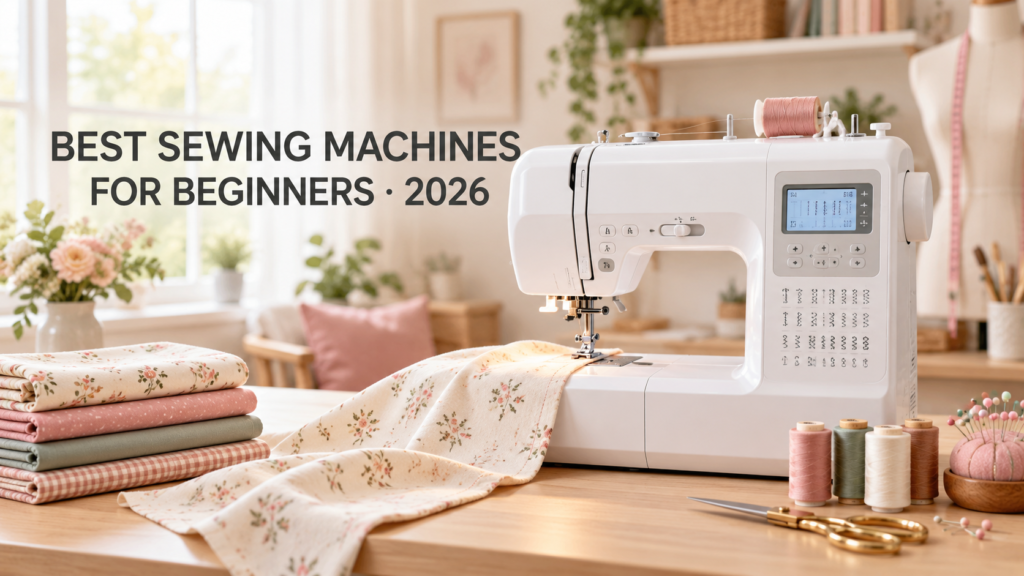
Choosing the best sewing machine for beginners can make learning to sew feel much less intimidating. The right machine should be easy to thread, simple to control, and capable of handling the projects you want to try—from hemming clothes to making your first tote bag.
This guide compares five beginner-friendly options, including what each one does well, what to consider before buying, and which type of sewist it may suit. Whether you want a straightforward first machine or one with features to grow into, these picks can help you find a sewing machine for beginners that fits your needs and budget.
| Our Top Picks | |||||
|---|---|---|---|---|---|
| Image | Model | Type | Best For | Standout Feature | Amazon |
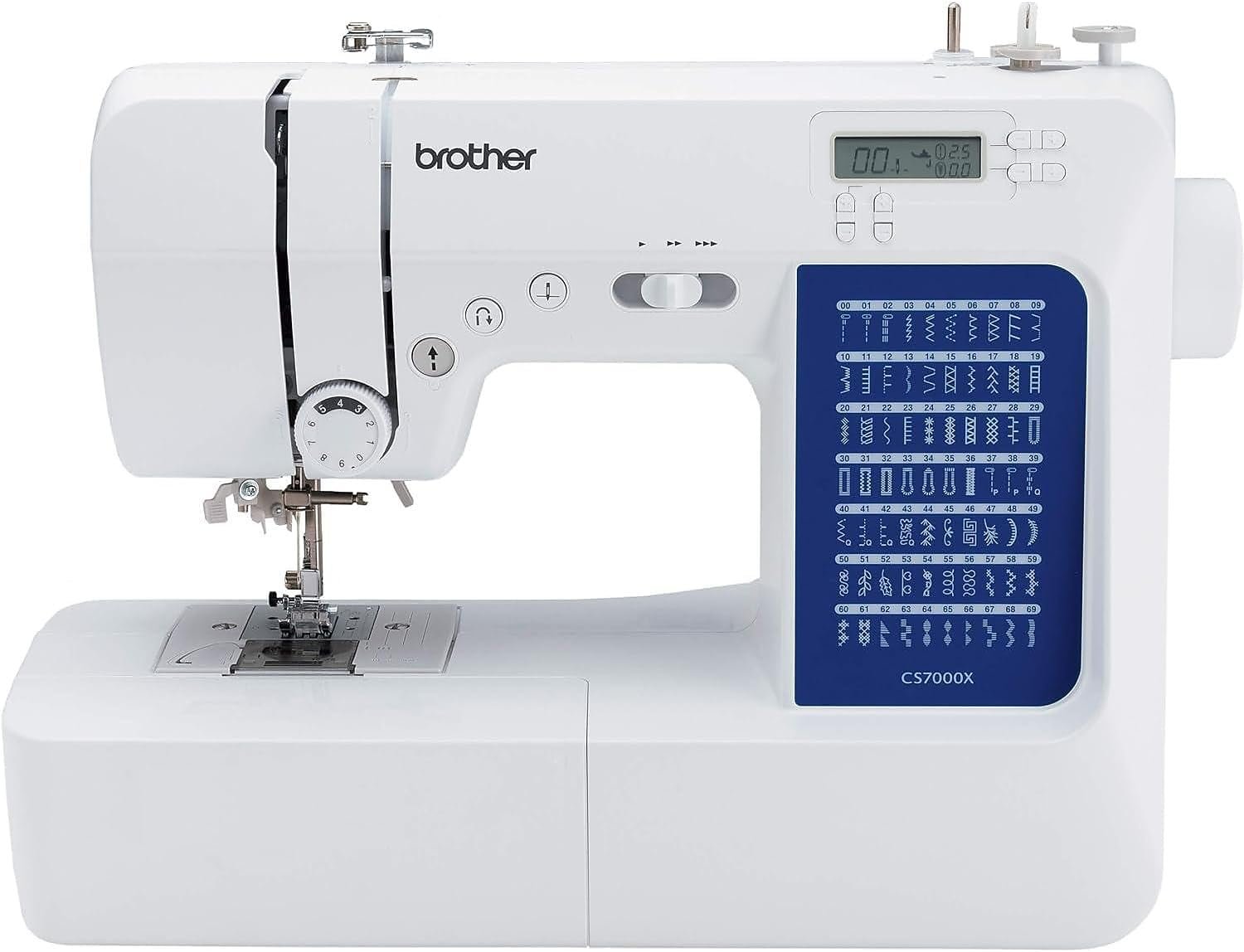 |
Brother CS7000X | Computerized | Best overall beginner pick | Adjustable speed and 10 included presser feet | View At Amazon |
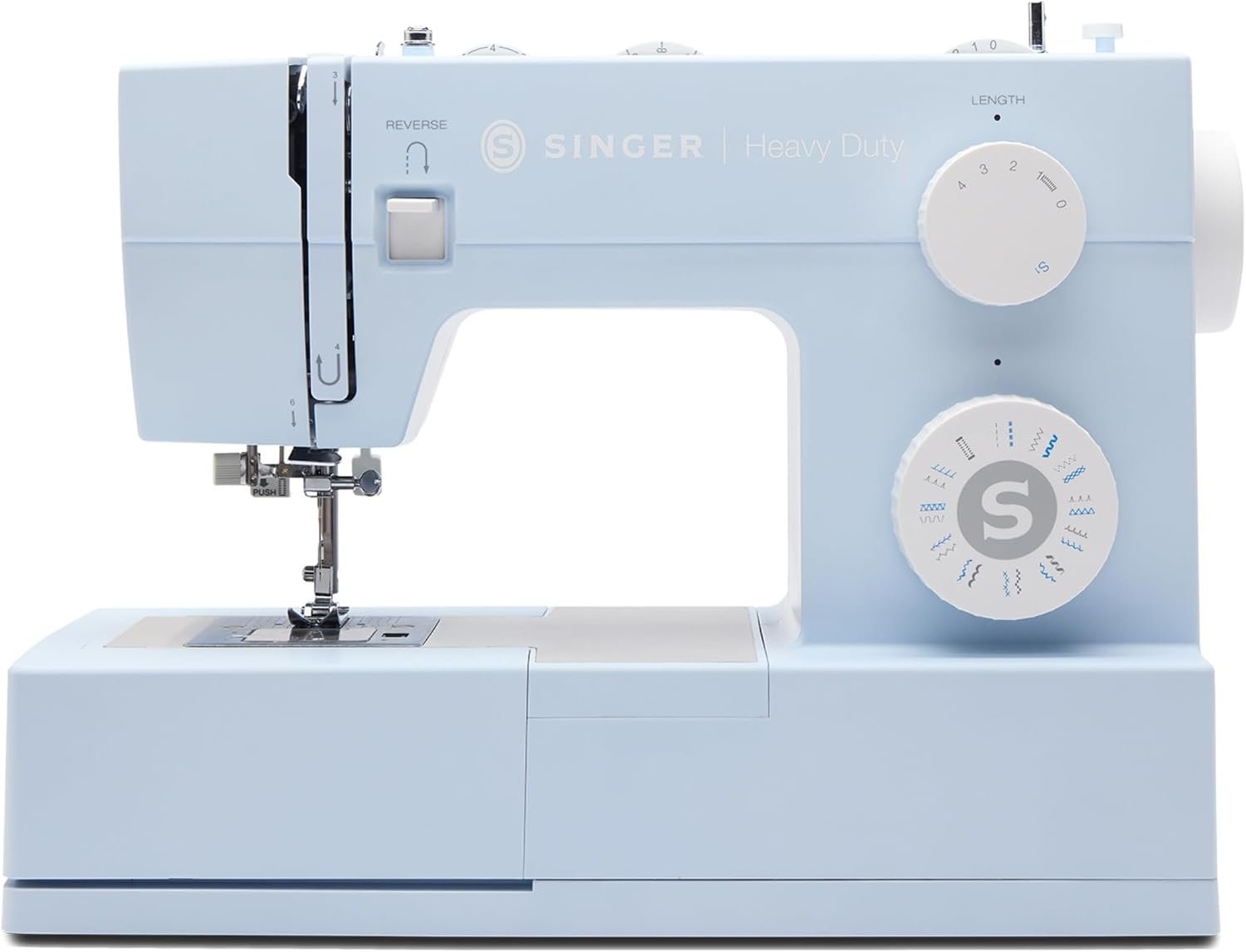 |
SINGER Heavy Duty 4423 | Mechanical | Denim and thicker fabrics | Metal frame and adjustable presser-foot pressure | View At Amazon |
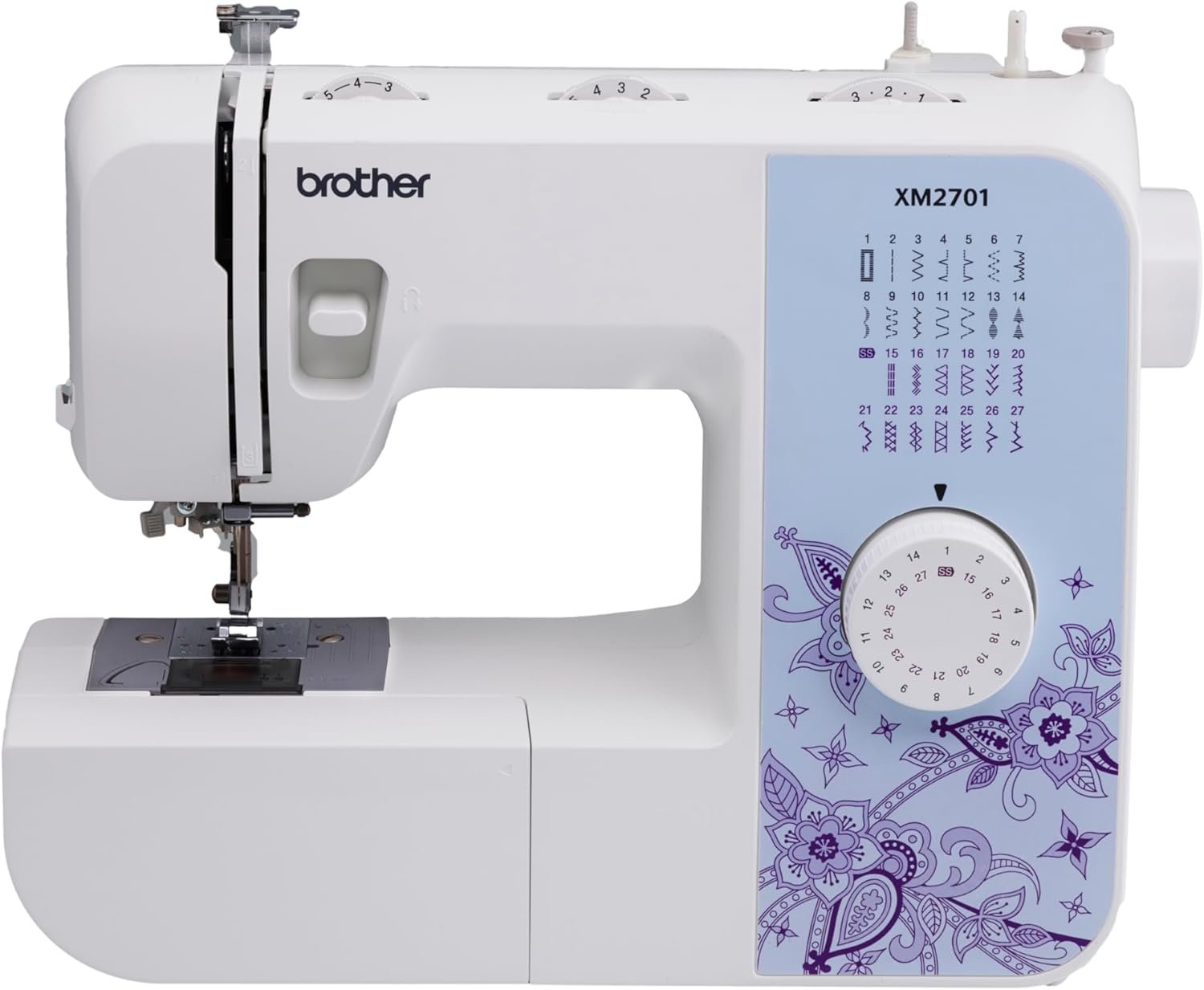 |
Brother XM2701 | Mechanical | Budget-friendly first machine | Automatic needle threader and jam-resistant top-drop bobbin | View At Amazon |
 |
Janome 2212 Sewing Machine | Mechanical | Simple, durable workhorse | Metal frame and straightforward dial controls | View At Amazon |
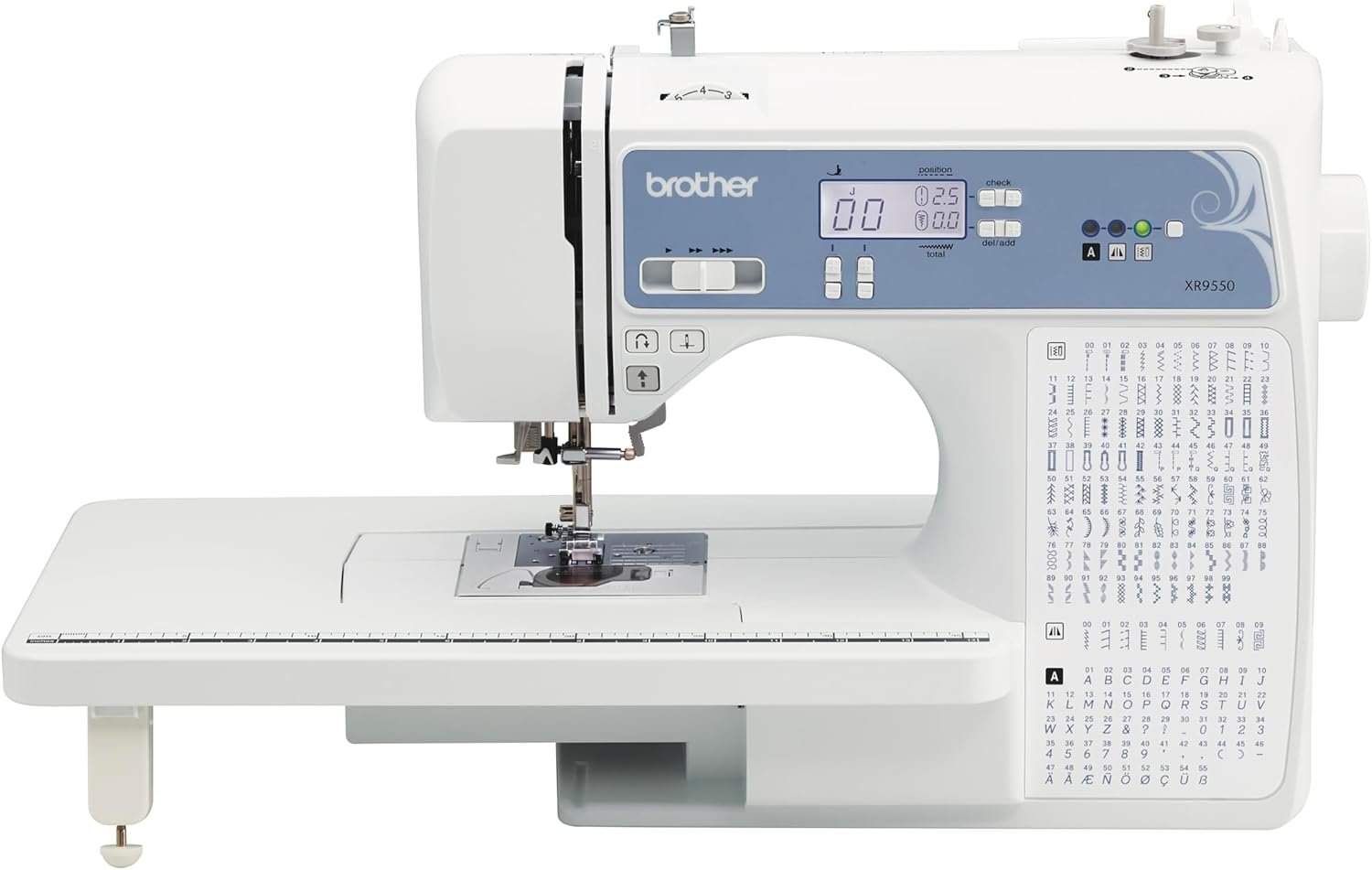 |
Brother XR9550 | Computerized | Upgrade for sewing and quilting | Wide table, hard case, and 165 stitches | View At Amazon |
The 5 best sewing machines for beginners
The best sewing machine for beginners depends on what you plan to sew—hemming pants, mending clothes, making garments, or quilting. Start with your projects, preferred controls, and budget instead of choosing by stitch count alone.
This guide compares five beginner sewing machines, from a budget-friendly mechanical model to computerized options for sewing and quilting. Each review covers useful features, trade-offs, key specifications, and who may want to choose a different machine.
How we chose these sewing machines
We compared the features beginners are most likely to use: stitch selection, bobbin setup, needle threading, buttonhole options, included presser feet, and support for projects such as hemming, garment sewing, and quilting. We also considered whether each machine uses mechanical or computerized controls, since some beginners prefer simple dials while others want more stitch options.
The five picks represent different needs and budgets, from a basic first machine to models with features for thicker fabrics or quilting. We checked specifications against manufacturer information and considered the trade-offs of each model. We did not treat manufacturer claims as hands-on test results.
- Adjustable sewing speed helps beginners work at a comfortable pace
- Quick-set, top-drop bobbin system
- 70 built-in stitches and 7 one-step buttonhole styles
- Includes 10 sewing feet for different tasks
- Wide table supports larger sewing and quilting projects
- Hard protective cover included
- It does not have embroidery functionality
- Beginners may not need all 70 stitches at first
- It costs more than a basic mechanical starter machine
The Brother CS7000X is our best overall beginner pick because it pairs helpful setup features with room to explore more projects. Adjustable speed can help new sewists practice at a manageable pace, while the quick-set bobbin system and threading diagrams make setup more approachable. It also includes 10 sewing feet and a wide table, giving beginners useful accessories for sewing and quilting projects.
Its computerized controls and range of stitches offer options as your skills develop. You can begin with basic stitches and learn the additional features over time.
The CS7000X is computerized and has 70 built-in stitches and seven one-step buttonhole styles. Beginners can start with straight and zigzag stitches, then learn the other options as needed. It also has adjustable speed, a quick-set drop-in bobbin, and a wide table. It does not have embroidery functionality.
This machine is a good fit for beginners who want to sew at home and may later try quilting or more varied projects. It suits buyers looking for adjustable speed, computerized stitch selection, and included accessories in one package.
| Feature | Details |
|---|---|
| Machine Type | Computerized sewing and quilting machine |
| Built-in Stitches | 70 |
| Buttonholes | 7 one-step, auto-size styles |
| Bobbin Type | Quick-set, top-drop bobbin |
| Speed Control | Adjustable sewing speed control |
| Included Sewing Feet | 10 |
| Included Accessories | Wide table and hard protective cover |
| Weight | 10.5 lb |
| Approx. Price Range | $250–$280; retailer prices may vary |
- Metal frame and stainless-steel bed plate
- Designed for projects involving denim and canvas
- Adjustable presser-foot pressure for different fabric weights
- Top-drop bobbin with a transparent cover
- Built-in needle threader
- One-step buttonhole and 23 built-in stitches
- Includes zipper, buttonhole, and button-sewing feet
- Mechanical controls, with no computerized display
- Weighs 14.6 lb, so it may be less convenient to move often
- It has 23 built-in stitches, fewer than machines with larger computerized stitch libraries
The SINGER Heavy Duty 4423 is a mechanical machine designed for sewing projects that can include denim and canvas. Its metal frame, strong motor, and adjustable presser-foot pressure are useful features when working with fabrics of different weights.
It also has a top-drop bobbin, a built-in needle threader, and a one-step buttonhole. The included zipper and button-sewing feet are useful for common clothing jobs such as adding a zipper or sewing on a button.
The 4423 uses mechanical controls and has 23 built-in stitches. Its heavy-duty frame and adjustable presser-foot pressure can be useful for denim and canvas, but they do not guarantee that every fabric thickness or number of layers will sew smoothly. Check SINGER’s guidance, use the right needle, and test on a fabric scrap first.
This machine may suit beginners who expect to sew denim, canvas, or other heavier fabrics, along with everyday clothing and home-sewing projects. Its mechanical controls are a fit for people who prefer selecting stitches with a dial instead of using a computerized display.
For bulky seams, use a suitable needle and sew at a controlled pace. A “heavy duty” label does not mean every fabric or number of layers will sew the same way.
| Feature | Details |
|---|---|
| Machine Type | Mechanical sewing machine |
| Built-in Stitches | 23 |
| Stitch Applications | 97, including a one-step buttonhole |
| Bobbin Type | Top-drop-in, transparent Class 15 bobbin |
| Maximum Sewing Speed | Up to 1,100 stitches per minute |
| Fabric Features | Adjustable presser-foot pressure and extra-high presser-foot lifter |
| Frame and Bed Plate | Heavy-duty metal frame and stainless-steel bed plate |
| Included Feet | General-purpose, zipper, buttonhole, and button-sewing feet |
| Weight | 14.6 lb |
| Approx. Price Range | $200–$240; retailer prices may vary |
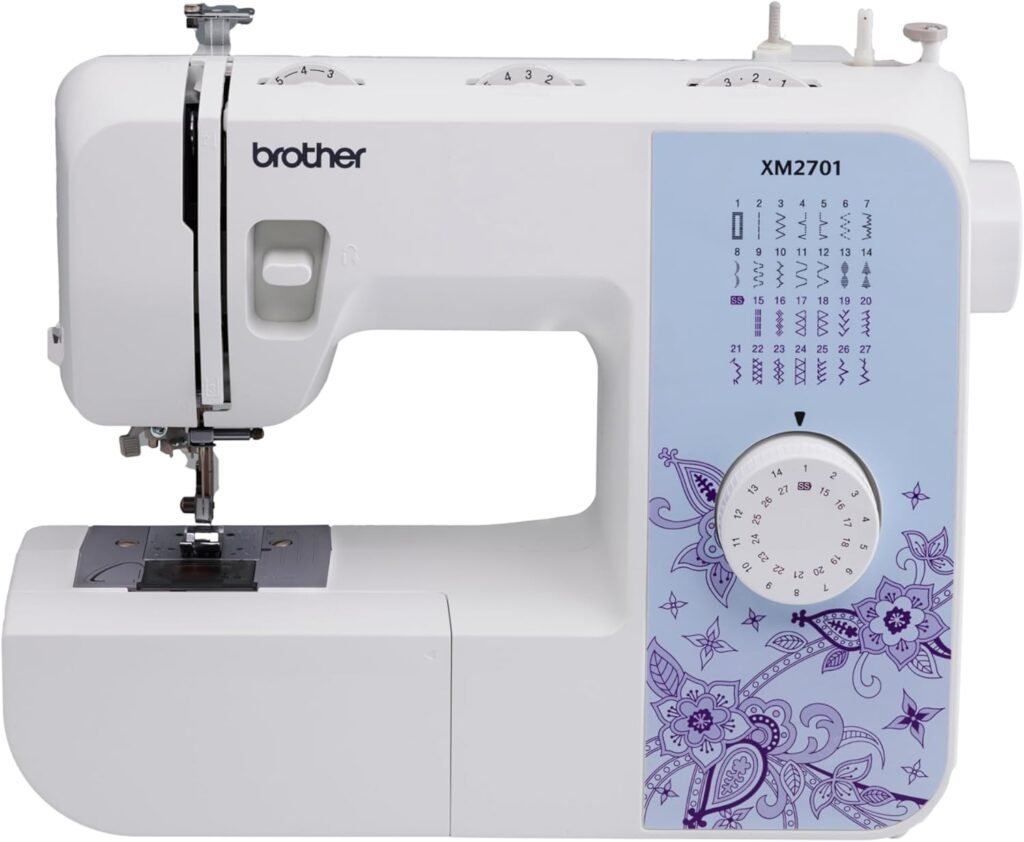
- Automatic needle threader
- Quick-set, top-drop bobbin with a transparent cover
- 27 built-in stitches and one-step buttonhole
- Six included feet, including zipper, buttonhole, and button-sewing feet
- Includes blind-hem, decorative, and quilting stitches
- Weighs 12.6 lb
- No computerized display or start/stop button
- No adjustable presser-foot pressure
- Maximum sewing speed is 800 stitches per minute
The Brother XM2701 is a budget-friendly mechanical machine for everyday sewing at home. Its 27 stitches include basic, decorative, blind-hem, and quilting options, and it has a one-step buttonhole for projects that need button closures.
The automatic needle threader and quick-set top-drop bobbin are useful setup features. Six included feet cover common tasks such as sewing a zipper, making a buttonhole, or attaching a button.
The XM2701 has mechanical controls, 27 built-in stitches, and a maximum sewing speed of 800 stitches per minute. It includes an automatic needle threader and a quick-set top-drop bobbin, but it does not have adjustable presser-foot pressure. Consider which of those features matter for the fabrics and projects you plan to sew.
This machine may suit a beginner who wants to learn basic sewing, mend clothes, hem pants, or make simple projects at home. The mechanical dial controls keep stitch selection straightforward, while the included feet cover several common sewing tasks.
If you expect to sew thick denim or canvas regularly, compare it with a machine designed for heavier fabrics, such as the SINGER Heavy Duty 4423.
| Feature | Details |
|---|---|
| Machine Type | Mechanical sewing and quilting machine |
| Built-in Stitches | 27 |
| Stitch Functions | 63 |
| Buttonhole | One-step, auto-size |
| Bobbin Type | Quick-set, top-drop bobbin |
| Needle Threader | Automatic |
| Included Presser Feet | Six: buttonhole, button-sewing, narrow-hemmer, zipper, blind-stitch, and zigzag |
| Maximum Sewing Speed | 800 stitches per minute |
| Weight | 12.6 lb |
| Approx. Price Range | $130–$160; retailer prices may vary |
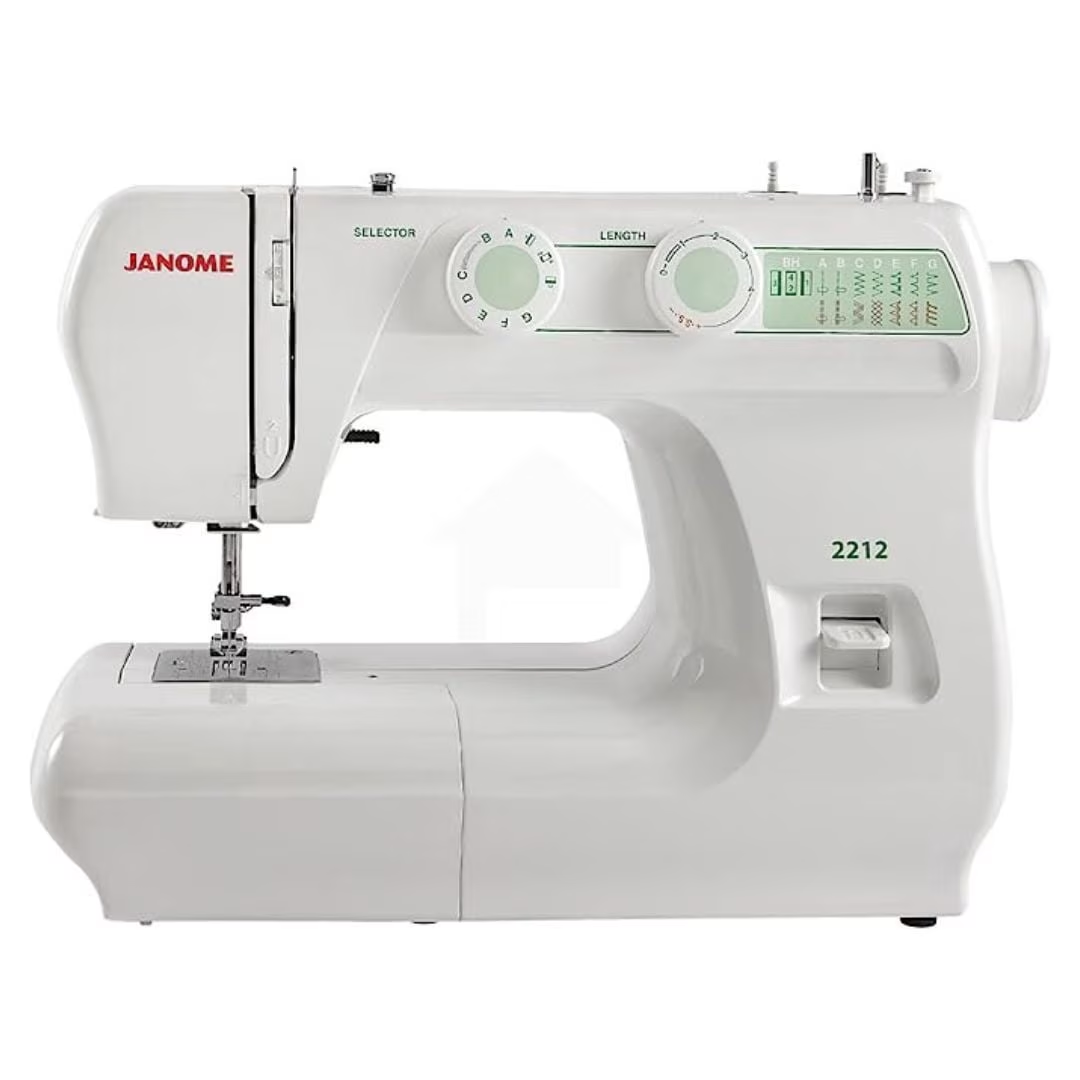
- Mechanical dial controls for stitch selection
- 12 built-in stitches for common sewing tasks
- Four-step buttonhole function
- Free arm for sewing cuffs and sleeves
- Drop-feed setting for techniques that require lowering the feed dogs
- Snap-on presser feet
- The buttonhole uses four steps rather than a one-step cycle
- The front-loading bobbin may take more practice than a top-drop bobbin
- It has fewer built-in stitches than the computerized models in this guide
- Retailer availability and pricing can vary
| Feature | Details |
|---|---|
| Machine Type | Mechanical sewing machine |
| Built-in Stitches | 12 |
| Buttonhole | One four-step buttonhole |
| Bobbin Type | Front-loading vertical oscillating-hook bobbin |
| Stitch Selection | Dial controls |
| Feed Dog | Five-piece feed dog with drop-feed setting |
| Presser Feet | Snap-on presser feet |
| Free Arm | Yes |
| Maximum Stitch Width | 5 mm |
| Maximum Stitch Length | 4 mm |
| Approx. Price | Janome MSRP: $269; retailer prices may vary |
- 165 built-in stitches, including 55 alphanumeric stitches
- Eight one-step, auto-size buttonhole styles
- Wide table gives larger quilt pieces more support
- Includes a quilting foot and seven other presser feet
- Drop-in, quick-set bobbin
- Hard case included for storage and transport
- Free arm for sewing cuffs and sleeves
- The wide stitch selection and computerized controls may take time to learn
- Many beginners may not need the alphanumeric and decorative stitches right away
- It costs more than a basic mechanical machine
The XR9550 is a good fit for beginners who already know they want to sew garments and try quilting. Its 165 built-in stitches include utility, decorative, and heirloom options, plus 55 alphanumeric stitches. Eight one-step buttonhole styles cover different garment and craft projects.
The wide table supports larger pieces as you sew, while the included quilting foot and drop feed make free-motion quilting possible. For everyday hems and repairs, you can stick to basic stitches and learn the additional options as needed.
The XR9550’s 165-stitch count includes 55 alphanumeric stitches, so you may not use the full selection for basic hems and repairs. Its wide table is useful for larger quilt pieces but needs extra workspace beside the machine. The computerized stitch controls may take time to learn.
Choose the XR9550 if you want a computerized machine for clothing, buttonholes, decorative stitching, and beginner quilting. The wide table and included quilting foot are useful when you start working with larger fabric pieces.
If you mainly need a machine for basic mending and occasional hems, a simpler model may offer the stitches and controls you need for less.
| Feature | Details |
|---|---|
| Machine Type | Computerized sewing and quilting machine |
| Built-in Stitches | 165, including 55 alphanumeric stitches |
| Buttonholes | 8 one-step, auto-size styles |
| Bobbin Type | Quick-set, drop-in top bobbin |
| Presser Feet | 8 included, including a quilting foot |
| Quilting Features | Wide table and drop feed for free-motion quilting |
| Display | Backlit LCD |
| Needle Threading | Advanced easy needle threading system |
| Weight | 10.14 lb |
| Included Accessories | Wide table, hard case, accessory pouch, and sewing accessories |
| Approx. Price | About $240–$280; retailer prices may vary |
What to look for in a sewing machine for beginners
A good beginner sewing machine should match the projects you want to sew. Before comparing stitch counts or accessories, think about whether you’ll mainly hem clothes and make simple repairs, sew garments, or work on quilts and thicker fabrics.
Mechanical or computerized controls
Mechanical machines use dials or knobs to select stitches and adjust settings. They can be a straightforward choice if you want to learn basic sewing without many options to sort through.
Computerized machines use buttons and a display to choose stitches. They often include more stitch patterns and buttonhole styles. That variety can be useful as your projects grow, but you may not need it for basic mending or hems.
Bobbin setup and needle threading
The bobbin holds the thread that forms the underside of each stitch. A top-drop bobbin sits under a clear or removable cover near the needle plate; a front-loading bobbin uses a separate case that fits into the front of the machine. Check the manual or product details to see how each model is threaded, and whether it has a built-in needle threader.
Stitches and buttonholes
Most beginners can start with a straight stitch, zigzag stitch, and a few basic utility stitches. A large stitch count may include decorative patterns and lettering, so look at which stitches the machine offers—not only the total.
Buttonholes also vary. A one-step buttonhole completes the process in one cycle, while a four-step buttonhole requires you to change the stitch setting between steps. Both can make buttonholes; the process is different.
Included feet and workspace
Presser feet help guide fabric during specific tasks. A zipper foot can help sew close to a zipper, while a buttonhole foot is used to make buttonholes. For quilting, a wide table can support larger fabric pieces beside the machine. If you plan to sew sleeves, cuffs, or other small circular pieces, check whether the machine has a free arm.
Fabric, size, and budget
Match the machine to the fabrics you expect to use. If you plan to sew denim or several fabric layers, check the manufacturer’s guidance for that exact model; “heavy duty” in a product name does not tell you every fabric it can handle.
Also consider where you’ll keep the machine, how often you’ll move it, what accessories are included, and the price of replacement needles and bobbins. A machine with the features you’ll use regularly is usually a better fit than one chosen for the longest feature list.
Which beginner sewing machine is right for you?
Choose a machine based on the projects you expect to sew most often:
- For an all-around computerized machine: The Brother CS7000X has adjustable speed and a wide table for sewing and quilting.
- For denim and thicker fabrics: The SINGER Heavy Duty 4423 has a metal frame and adjustable presser-foot pressure. Check the manual for guidance on the fabric and layers you plan to sew.
- For a budget-friendly first machine: The Brother XM2701 has mechanical controls and covers common beginner sewing tasks.
- For simple dial controls: The Janome Lovely Lilac uses a mechanical stitch-selection system and includes a four-step buttonhole.
- For sewing and quilting with more stitch options: The Brother XR9550 includes a wide table, quilting foot, and 165 built-in stitches.
If you’re still unsure, list the projects you want to try first—such as hemming pants, making a garment, or sewing a quilt—and compare the features that support those tasks.
Final Verdict: Which Beginner Sewing Machine Should You Choose?
If you want one machine for basic garment sewing, buttonholes, and beginner quilting, the Brother CS7000X is our best all-around pick. Its adjustable speed, quick-set bobbin, and wide table suit those tasks, while you can start with basic stitches and learn the other options over time.
Choose the SINGER Heavy Duty 4423 if thicker fabrics are your priority, the Brother XM2701 for a simpler budget pick, the Janome Lovely Lilac for mechanical dial controls, or the Brother XR9550 for more stitch options and quilting features.